


Building Eco-Friendly Supply Chains for a Sustainable Future
- Alex Aime

- Oct 17, 2025
- 5 min read
In today’s world, more and more people are becoming aware of how human activities affect the environment. Companies are also realizing that their business operations can play a big role in protecting or harming the planet. One area where this is especially true is the supply chain — the system that moves products from raw materials to finished goods and then to consumers.
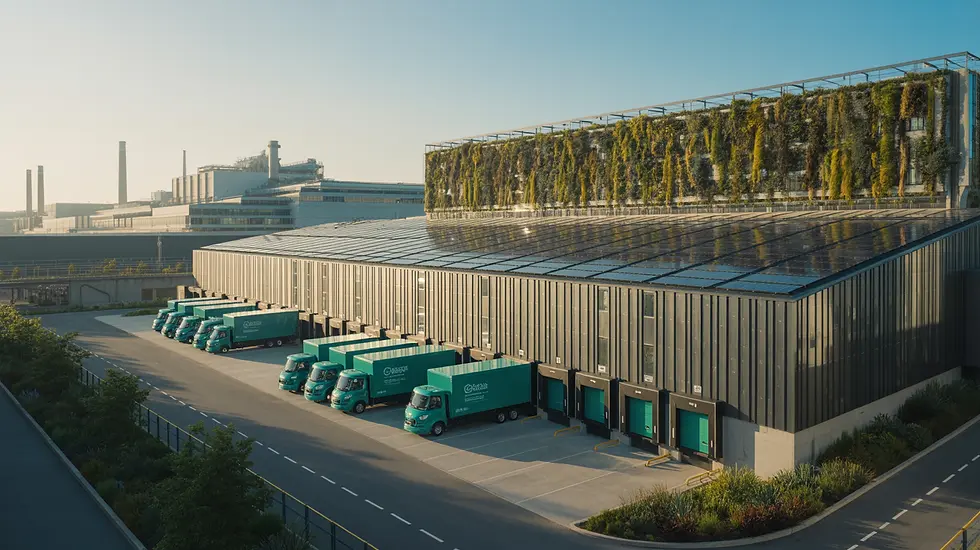
Building eco-friendly supply chains is no longer just a trend. It’s becoming a key part of doing responsible business and creating a sustainable future. But what does that mean, and how can companies make it happen? Let’s explore.
What Is an Eco-Friendly Supply Chain?
An eco-friendly supply chain is one that aims to reduce environmental harm at every step of the process. From the way raw materials are sourced, to how products are made, packaged, transported, and even disposed of — every part is designed to be more sustainable.
This might include using renewable materials, cutting down waste, saving energy, and working with suppliers who also care about the environment. The main goal is to create products in a way that meets human needs today without destroying the planet for future generations.
Why Eco-Friendly Supply Chains Matter
Traditional supply chains often focus only on cost and speed. While that approach helps companies save money, it can cause serious damage to the environment. Manufacturing can lead to pollution, deforestation, and large amounts of carbon emissions. Transportation adds even more greenhouse gases, and waste from packaging and old products fills up landfills.
If this continues, the world will face more problems like climate change, water shortages, and loss of biodiversity. That’s why switching to eco-friendly practices is so important. It’s not just good for the planet — it’s also good for business in the long run.
Here are a few reasons why:
Customer Demand: Today’s consumers prefer to buy from brands that care about the environment. Eco-friendly companies build stronger trust and loyalty.
Cost Savings: Using less energy and materials can reduce expenses over time.
Regulations: Governments are introducing stricter environmental laws. Companies that act early can avoid future fines or restrictions.
Brand Image: Sustainability can improve a company’s reputation and attract investors.
Long-Term Growth: A supply chain that depends on limited resources is not reliable. Eco-friendly strategies create stability and resilience.
Steps to Build an Eco-Friendly Supply Chain
Building a green supply chain takes planning, effort, and teamwork. Here are some key steps companies can take to move toward sustainability:
1. Use Sustainable Sourcing
Start at the very beginning — where materials come from. Choose suppliers who use environmentally responsible methods. For example, a furniture company can buy wood from forests that are certified for sustainable management. A food brand can partner with farms that avoid harmful chemicals and protect local ecosystems.
2. Reduce Energy Use and Emissions
Factories and transport are major sources of carbon emissions. Companies can invest in energy-efficient equipment, use renewable energy like solar or wind power, and optimize transport routes to save fuel. Switching to electric vehicles for delivery is another growing trend.
3. Design for Sustainability
Products should be designed with the environment in mind. That means using recyclable or biodegradable materials, avoiding unnecessary packaging, and making items that last longer. The idea is to reduce waste before it even happens.
4. Reuse and Recycle
Waste management is a big part of an eco-friendly supply chain. Companies can create systems to reuse materials or recycle old products. For example, some tech companies take back old devices to reuse valuable metals and components.
5. Choose Local Suppliers
Transporting goods over long distances adds to carbon emissions. By working with local suppliers, companies can cut down transportation costs and pollution. This also helps support local communities.
6. Use Technology for Transparency
Digital tools can help track the sustainability of the supply chain. For instance, blockchain and AI can provide real-time data about where materials come from, how they’re made, and their environmental impact. Transparency builds trust with both customers and regulators.
7. Educate and Train Employees
A sustainable supply chain requires everyone’s effort. Training staff on environmental practices and encouraging them to suggest green ideas can make a big difference.
Real-World Examples
Many global companies are already leading the way in building eco-friendly supply chains.
Patagonia, the outdoor clothing brand, uses recycled fabrics and encourages customers to repair old clothes instead of buying new ones.
Unilever has promised to cut its plastic use by half and sources ingredients from farms that follow sustainable agriculture practices.
IKEA is investing in renewable energy and using sustainable materials like bamboo and recycled wood.
These companies show that being eco-friendly is not only possible but also profitable. Their commitment to sustainability attracts loyal customers and strengthens their global reputation.
The Role of Consumers
While companies play a huge part, consumers also have power in shaping the future. By choosing products that are ethically made and environmentally friendly, customers send a message that sustainability matters. Every purchase is like a vote for the kind of world we want to live in.
Simple actions — like reusing bags, recycling, and supporting eco-conscious brands — help push industries toward greener practices.
Challenges on the Road to Sustainability
Of course, building an eco-friendly supply chain is not easy. It can be costly at first, especially for small businesses. Finding reliable green suppliers, changing production methods, and upgrading technology all require time and investment.
However, the long-term benefits — both for the environment and for business success — far outweigh the initial challenges. As technology improves and awareness grows, sustainable practices will become more affordable and common.
The Future of Supply Chains
The future belongs to companies that care about the planet. As more businesses make sustainability a priority, we’ll see innovations like carbon-neutral transport, zero-waste manufacturing, and circular supply chains — where every material is reused instead of thrown away.
Building eco-friendly supply chains is not just about protecting nature. It’s about ensuring that future generations can live in a world that is healthy, balanced, and full of opportunity.
Conclusion
Sustainability is no longer optional — it’s essential. Every business, big or small, has a role to play in creating eco-friendly supply chains that respect the planet. By taking small but consistent steps, we can build a global system that supports both economic growth and environmental health.
Together, we can move toward a sustainable future — one where progress and the planet thrive side by side.
FAQs
1. What is the main goal of an eco-friendly supply chain?
The main goal is to reduce environmental harm by using sustainable materials, saving energy, and cutting waste, while still meeting customer needs.
2. How can small businesses create green supply chains?
Small businesses can start by choosing local suppliers, using recyclable packaging, and reducing energy use. Even small steps can make a big difference over time.
3. Are eco-friendly supply chains more expensive?
They can cost more at first, but they often save money later by lowering energy bills, reducing waste, and improving efficiency.
4. What role do consumers play in sustainable supply chains?
Consumers help drive change by choosing eco-friendly products and supporting companies that care about the environment.
5. What are examples of eco-friendly practices in supply chains?
Examples include using renewable energy, reducing packaging, recycling materials, and working with responsible suppliers.


Comments